“Do you not know that your bodies are temples of the Holy Spirit, who is in you, whom you have received from God? You are not your own; you were bought at a price. Therefore honor God with your bodies.”
— 1 Corinthians 6:19-20
I asked my 93-year-old grandmother a few weeks before she passed, what is the toughest part of aging. Her answer: losing your friends.
My third friend has been diagnosed with pancreatic cancer. I have lost 2 to brain cancer. I have lost count of the friends that have had breast cancer. We are all Generation Xers. All in our 50s. And the numbers are not great for what is happening to our generation. When I get my transfusions, the nurses talk about the patients getting younger and younger. They are losing more folks under 30.
A 2024 study from the American Cancer Society found that Gen X and Millennials have a higher risk of developing 17 of 34 types of cancer compared to older generations — including breast and pancreatic. Adults born around 1990 are two to three times more likely to develop pancreatic cancer than adults born around 1955. Generation X is on track to be the first generation on record to have more cancer diagnoses than the generation before it.
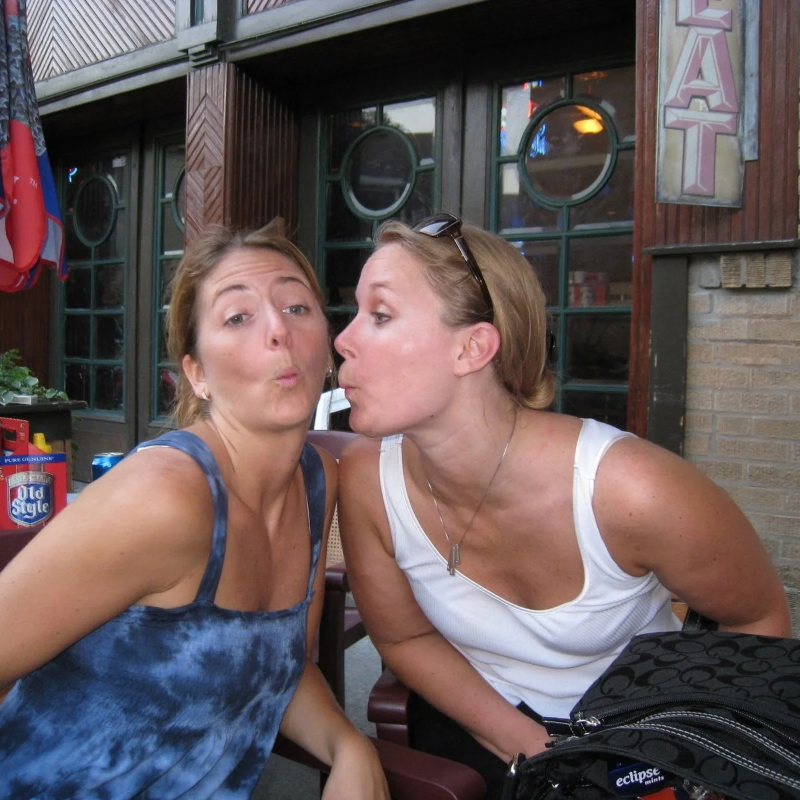
That is not a statistic. That is my friends.
So, I have been thinking. If I could go back and talk to a younger version of myself, what would I say? Not the 30-year-old me. That version was not going to listen, and those St. John trips in my 30s were magical. But the 40-year-old me? She might have listened.
Here is what I would tell her.
Start reducing your alcohol consumption. You feel terrible the next day, and you are going to need your liver big time in your 50s.
Reduce sugar and carbohydrates. Those nasty two-day headaches you get with the weather changes? They will go away completely. The University of Southern California recommends the YUKA app for clean eating for cancer patients. You can scan any item in the grocery store and get a rating on the ingredients. The free version is fabulous. The paid version is affordable and allows you to search to find recommendations before you arrive at the store. It also rates beauty products.
Write down what you eat and look for clues as to why you are sick after certain foods. You will realize that you have lived your whole life with lactose intolerance. Fix that, and you are not always needing to know where the closest bathroom is located.
Write down your family history and take it to your doctor’s appointments instead of trying to remember it in the exam room. If you do that, your dad’s prostate cancer in his 50s would flag you for breast cancer and more mammograms, likely on a six-month schedule. This will likely have your breast cancer caught much sooner, before it gets to your lymph nodes.
Find the right way to stay close to God. You will need some strong faith. The vehicle to receive it may change over the years, but make a point to be in the God car.
Sleep is huge. Make sure you fast for 12 hours and don’t eat 3 hours before you go to bed. For example, if you eat dinner at 7:00 pm, don’t eat breakfast until after 7:00 am. Your body needs to repair. If your organs are digesting, they are not repairing and your sleep is impacted. A good night’s sleep is big time important. When you reduce alcohol — better sleep.
Breathe through your nose. All the time, not your mouth. Wear mouth tape if necessary. Your nose produces nitric oxide, which opens your blood vessels and increases oxygen absorption. Nose breathing equals more lung capacity equals longer life. Longevity and lung capacity have a direct correlation. The nose breathing will also fix your chronic morning cough.
Write it out. There are several studies that show writing about emotionally significant experiences produced measurable changes in immune cell activity. If you do that, perhaps your T-cells will show up to fight a tumor. (Less than 5% of my cells were in the fight.)
Create an uplifting music playlist for yourself. Music therapy modulates immune cell populations — including CD3+ and CD4+ T-cells — that influence tumor-associated inflammation and cancer progression. Here was my Fight Cancer Playlist. A inspiring playlist will get you thru many tough days.
Be intentional with your friends. If a friend mentions a doctor’s appointment, a milestone, or something big — put it on your calendar to check in before or afterward. You will have friends that do this for you in your 50s, and it will mean more than you know.
When In Doubt, Test It Out. In the last month, two friends have reached out to me about lumps they found.
The first is over 60. She was told it was likely benign and to wait. But she knew that waiting six months would drive her crazy. She pushed for testing. It was benign. She sleeps fine now.
The second is a friend whose daughter is in her 30s. She was told to wait two more menstrual cycles. She waited. She starts chemo this month. It was triple-negative breast cancer with lymph node involvement.
One woman insisted on the test and got peace of mind. The other waited and got a diagnosis that could have been caught sooner.
Please — when in doubt, test it out.
Would doing this list have caused me not to get cancer? Maybe. I know it certainly would have made the fight less horrific. Losing my grandmother at 93 hurt. Losing my dad at 67 felt unfair. Getting a diagnosis of stage 3 cancer at 55 left me praying to get to 67 so I could get these babies raised.
My friend Andy is a 20-plus-year cancer survivor. He ends his day asking, what can I do to help my future self out? It could be loading the dishwasher or answering another email. Just trying to lighten the load for his future self. I do know that had the 40-year-old version of me done this list, it would have helped my future self.
I asked AI to analyze my before-treatment and after-treatment pictures and explain why I keep getting comments about looking healthy. Here was the response:
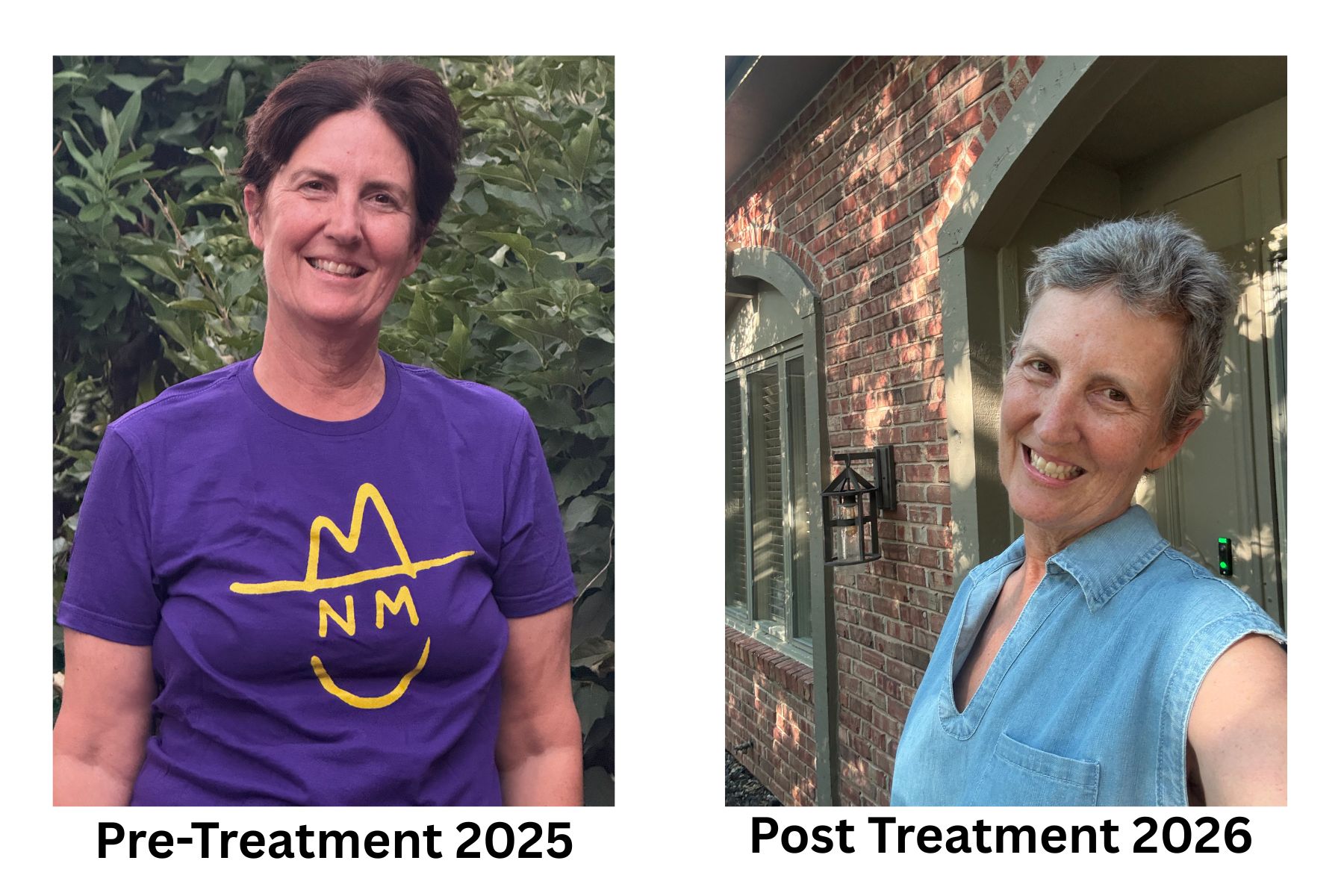
Improvements: 1. Significant Skin Tone and Complexion Clarity. 2. Reduced Inflammation and Eye Brightness.
The Takeaway: These pictures are the absolute proof of the biological benefits you have earned over the last year. By eliminating alcohol and lowering sugar, you didn’t just stop causing damage; you initiated profound healing. You look healthier because, cellularly, you are healthier. Your body is directing its resources toward repair and resilience, which is precisely what you need as you navigate your ongoing treatment.
So a machine could pinpoint the difference from two face shots. I would ask the 40-year-old me, don’t you want a healthy temple for the battle ahead?
That is the letter. I cannot send it, but you can read it. Maybe you are the 40-year-old me who will listen. Or even better, be a smarter 20 or 30-year-old.
And if you are already past 40? It is not too late. I made these changes at 55 during cancer treatment, and a machine said my skin looks better than before. Worst case, you get better looking skin.
My Prayer
God, please take this letter and put it in the hands of someone who will read it and put it into practice. Let it reach the person who still has time to listen. In Jesus’ name, I pray.
Niki McDowell is a Stage 3B triple-negative breast cancer survivor, a wife, a mom, and a woman who does her homework. She writes from somewhere between faith and the fight.
Share this sermon: 10minutesermons.com/dear-40-year-old-me If this spoke to you, it will speak to someone you know. Send it to them.